
Key Results
- Contract review time reduced by 65% per contract
- Early warning notice compliance 100% on all reviewed contracts for 12 months post-implementation
- Zero missed time-bar events in the same period
The Challenge: Three Disputes Before AI Contract Review
An MEP subcontractor running commercial fit-out and infrastructure work had no AI contract review in place, and it had racked up three commercial disputes in eighteen months. Each dispute looked different on the surface. However, the cause never changed: the team missed early warning notices and misread time-bar provisions in contracts it had genuinely reviewed.
The business did not lack commercial expertise. A senior QS read the complex contracts. Meanwhile, junior commercial staff handled the straightforward ones. Nobody, though, had ever defined the line between “complex” and “straightforward”, let alone tested that line against what actually went wrong.
Worse still, every one of the disputed projects sat under a contract the team had waved through as routine. Those contracts ran on NEC forms and on bespoke client amendments — and unlike a standard JCT agreement, an NEC contract punishes a late notice hard.
Three disputes cost the firm real money in management time, legal fees, and strained client relationships. The more uncomfortable number, therefore, was the cost of the fourth one.
The firm is not an outlier. UK subcontractors sign amended standard forms every month, usually under tender pressure. Few hold a documented review standard behind the signature. We cover the wider pattern in our guide to AI contract review in construction.
The Approach: Fix the Process Before the Tool
Severus started with the review process itself, not with the technology question. That sequencing runs through all our AI readiness and governance work.
Step 1: Audit how the team reviewed contracts.
First, we mapped who read which contract types, against what criteria, and with what record of the outcome. What surfaced was an informal system that leaned entirely on individual experience and whoever happened to be free that week. No standardised review checklist existed. Nor did any escalation criteria. Nobody logged what the reviewer had flagged, what they had accepted, and why.
Step 2: Design the two-stage review process.
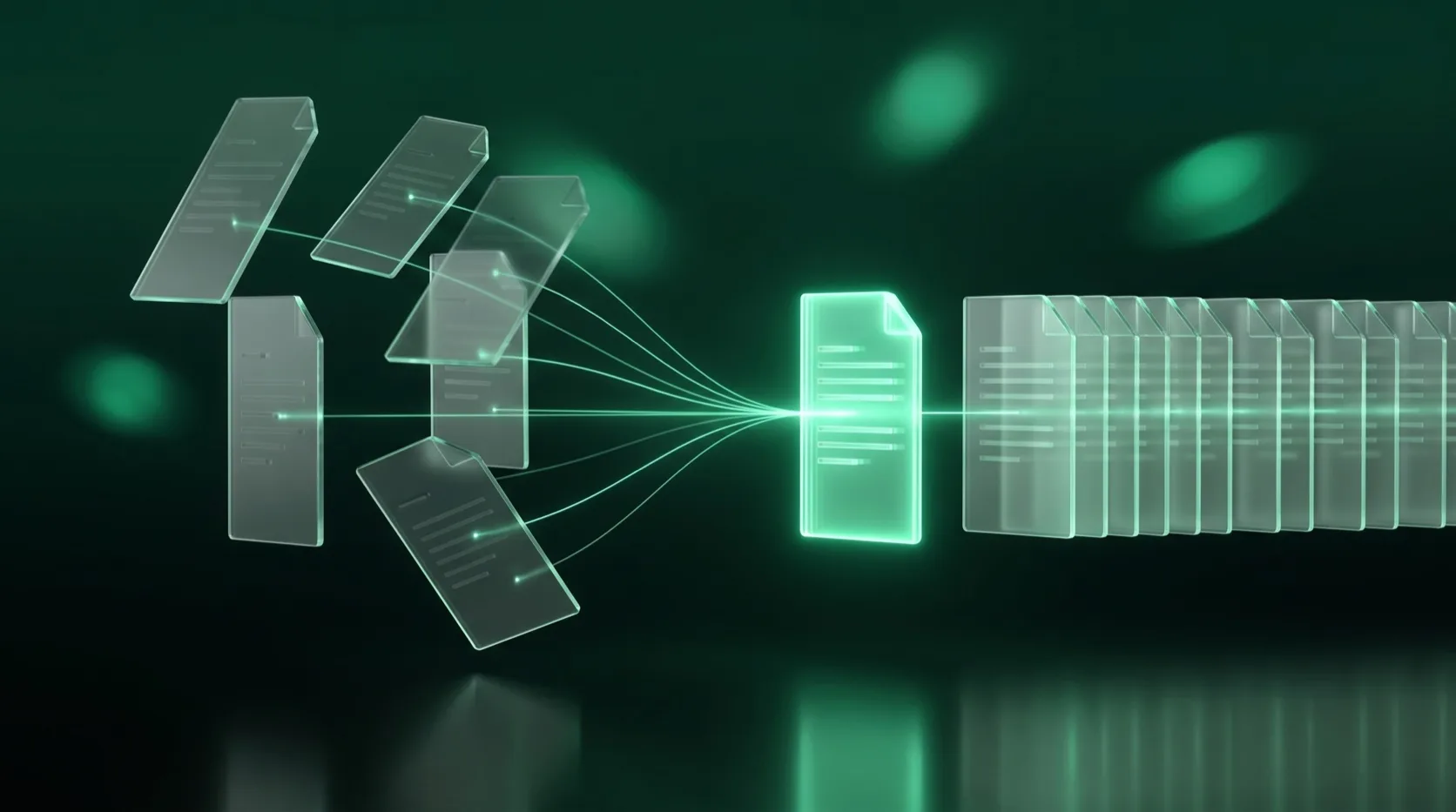
Before picking any tool, we designed the process that tool would need to support. Stage one applies a consistent baseline review to every contract, regardless of how routine it looks, and flags the high-risk clauses: early warning obligations, compensation event triggers, time-bar provisions, fitness for purpose language, and liquidated damages caps. Stage two then sends the QS straight to the flagged items, and he records a decision on each one.
Step 3: Implement AI contract review trained on the firm’s real contract types.
Next, we configured the review layer and trained it on NEC3, NEC4, and the six bespoke client forms the firm signs most often. Before go-live, we piloted the tool on a set of historical contracts — including the three that had produced the disputes. In the pilot, it caught the missed clauses in all three.
Step 4: Build the review log.
Finally, a simple structured log now captures review completion, escalation decisions, and early warning obligations for each contract. As a result, the firm holds both a compliance record and a data source for commercial pattern analysis over time.
The Results of AI Contract Review
Contract review time fell by 65 percent per contract. Moreover, the senior QS now spends his hours on the clauses that genuinely need his judgement, instead of reading every page of every agreement.
Across the twelve months since implementation, early warning notice compliance has held at 100 percent on every contract the tool reviewed. The team has missed zero time-bar events in the same period.
The new process also shifted something harder to count: the commercial team’s confidence in its own risk position. Previously, a background hum of uncertainty followed every project — what did we miss this time? Consequently, that hum is gone.
Commercial reviews now follow one sequence for every contract that comes in. The senior QS trains junior staff against the same checklist. And the review log gives the directors evidence rather than anecdotes.
Severus anonymised this case study and changed client details to protect confidentiality.
Related: AI Readiness & Governance · Automation for construction companies · All Severus case studies
Ready to scope AI contract review for your own contracts?