Results at a glance
- Industry: Construction
- Country: Germany
- Cost leakage down 68%
- Variations claimed up 340%
- Month-end close from three weeks to three days
- €240k dispute won
- Timeline: return on investment in seven months, against a twelve-month goal
The outcome the firm wanted
The firm wanted a live view of profit and loss: what each project was costing, which changes had been delivered and claimed, and where the month stood without waiting for the books to close. The goal was written down before any software was chosen. The new system had to pay for itself within twelve months.
How we got there
Re-engineering the process first. Our solution architects and analysts followed costs, variations and timesheets from the moment they arose to the moment they reached the accounts. The aim was to agree one way of recording each of them before anything was automated.
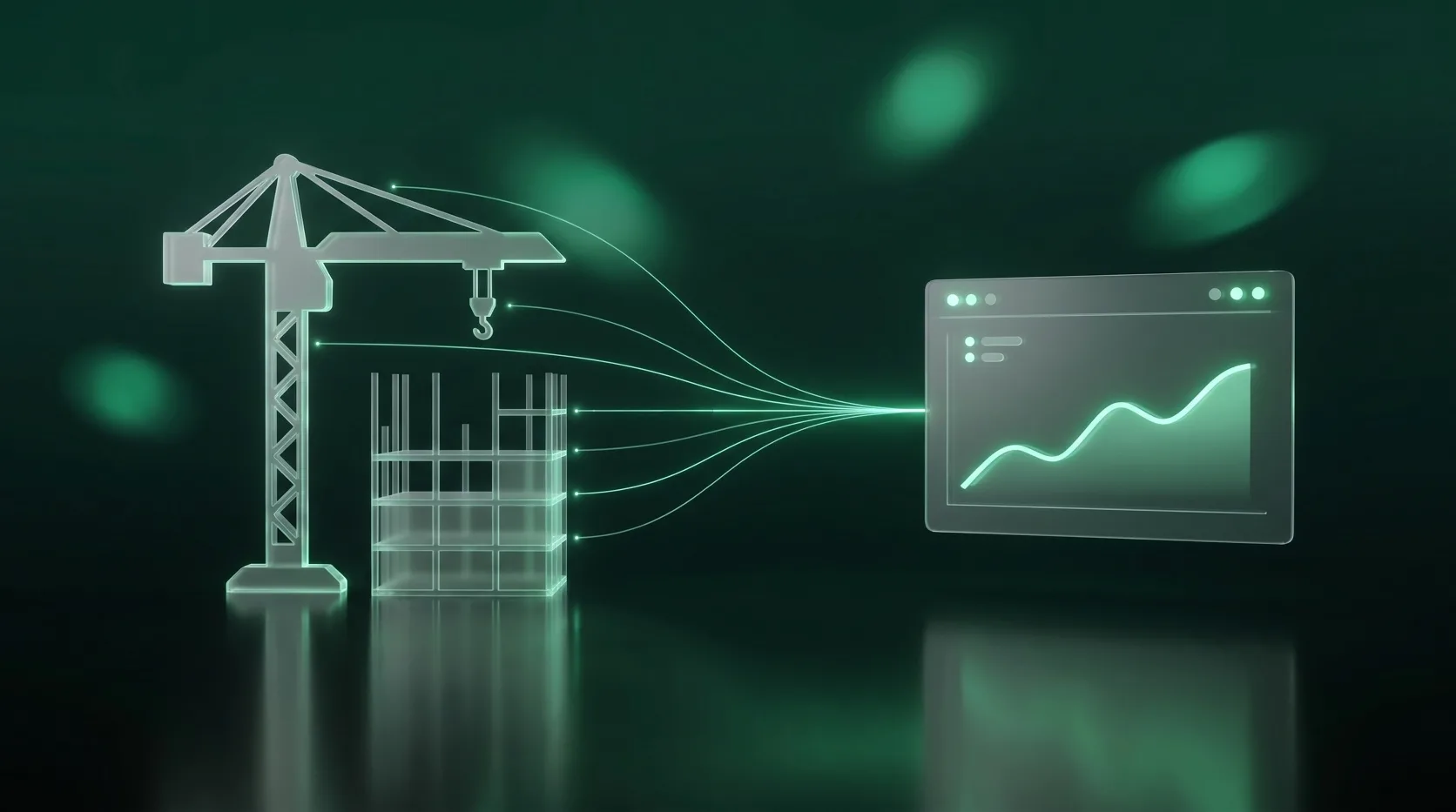
Designing the system. We designed one connected system covering costs, variations, timesheets and the month-end close, so the same figures fed the project view and the finance view.
Implementing and measuring it. We built and rolled out the system, then measured the results against the starting figures, so the firm could see when the investment had paid back.
What changed
- Costs, variations, timesheets and month-end close now sit in one connected system.
- Cost leakage is down 68%.
- Variations claimed are up 340%.
- Month-end close takes three days instead of three weeks.
- The firm won a €240k dispute.
- Return on investment came in seven months, five months ahead of the twelve-month goal.
Why it worked
The target came first: a return on investment within twelve months, measured against the firm’s own starting figures. Every design decision was checked against that target, which is also how everyone knew when it had been reached.
Related: Business process re-engineering and cost reduction · AI in construction · Construction · All case studies